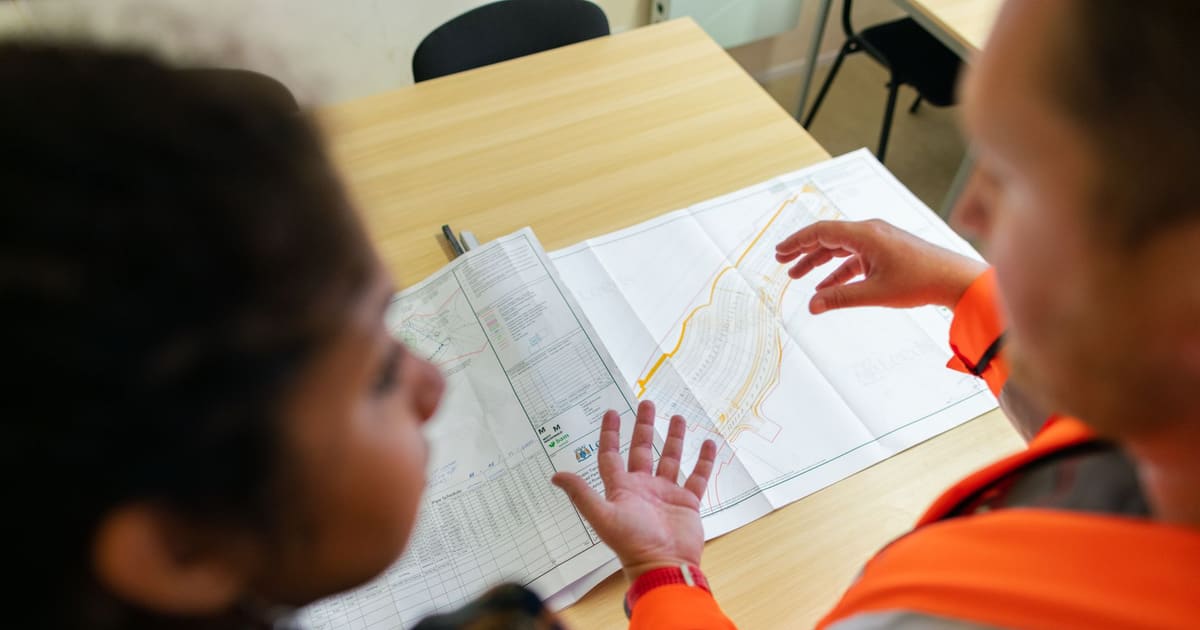
A standard home inspection costs $200 to $500, with the national average near $343, according to Angi 2026 cost data. The inspector examines visible systems and components throughout the home -- structure, roof, electrical, plumbing, HVAC, windows, and insulation -- and produces a written report documenting conditions and deficiencies. The cost is small relative to the price of most homes and the potential repair costs an uninspected home can hide.
Average Home Inspection Cost
For a standard single-family home in the 1,500 to 2,500 square foot range, Angi cost data places the typical home inspection fee at $250 to $400. Inspections on larger homes, older homes, or homes with additional systems cost more. Most inspectors charge a base rate for a standard home plus incremental fees for additional square footage or add-on inspections.
| Home Size | Typical Base Inspection Cost |
|---|---|
| Under 1,000 sq ft | $200 - $270 (est.) |
| 1,000 - 2,000 sq ft | $250 - $370 (est.) |
| 2,000 - 3,000 sq ft | $320 - $450 (est.) |
| 3,000 - 4,000 sq ft | $400 - $550 (est.) |
| Over 4,000 sq ft | $500 - $700+ (est.) |
Estimates from Angi cost data and HomeGuide inspector pricing surveys. Costs vary by region and inspector experience level.
Older homes (built before 1978) may prompt additional inspection costs because they may contain lead paint or asbestos-containing materials and often have outdated electrical systems (aluminum wiring, knob-and-tube wiring, or 60-amp service panels) that warrant closer examination.
What Affects Home Inspection Cost?
Home size and age. Larger homes take more time to inspect and cost more as a result. Older homes with more complex systems, layered renovations, or vintage electrical and plumbing configurations take additional time.
Geographic market. Inspector rates in high cost-of-living metro areas (New York City, San Francisco, Seattle) run 20 to 40 percent higher than national averages. Rural markets typically run below the national average.
Inspector experience and certifications. ASHI-certified or InterNACHI-certified inspectors with 10-plus years of field experience often charge a premium over newly licensed inspectors. For a major purchase, experience is worth the incremental cost.
Add-on inspections. Mold testing, radon testing, sewer scope, termite inspection, oil tank sweep, and well and septic testing are all separately priced add-ons that increase the total inspection cost. A buyer purchasing an older home in a region with known radon risk or mature trees may add $200 to $600 in specialized testing on top of the base inspection fee.
Be Present at the Inspection
A home inspection report runs 30 to 80 pages for a typical home. Reading a report without having been present for the inspection means you are processing observations without context. When you attend, you can ask the inspector to show you the issue, explain how serious it is, and describe what repair or further evaluation looks like. Inspectors are required by their professional associations to allow buyers to attend.
Buyer vs Seller: Who Pays for a Home Inspection?
In the typical US real estate transaction, the buyer pays for and commissions the home inspection. The buyer's agent typically has a short list of inspectors they have worked with, but the buyer is not required to use those names. The buyer can hire any licensed inspector they choose.
Pre-listing inspections, paid for by the seller before the home goes on the market, have become more common in competitive markets. A pre-listing inspection allows the seller to identify and disclose deficiencies upfront, repair items they choose to fix before listing, and price the home with full knowledge of its condition. Sellers who provide a pre-listing report often see fewer renegotiations after the buyer's own inspection, since there are fewer surprises.
Pre-listing inspections typically cost the same as buyer inspections -- $250 to $450 for a standard home. Sellers who commission them assume the disclosure obligations that come with documented knowledge of deficiencies; they cannot un-know what the inspector found.
Specialized Inspections and Their Costs: Mold, Radon, Termite
A standard home inspection does not include laboratory testing for mold or radon, does not camera the sewer line, and in most states does not include termite (wood-destroying organism) inspection. These are separate services:
Radon testing. Radon is a naturally occurring radioactive gas that enters homes through the foundation. The EPA classifies radon levels above 4 picocuries per liter (pCi/L) as actionable. Radon testing costs $100 to $200 as an add-on. If the result is above the action threshold, radon mitigation systems cost $800 to $2,500 depending on home size and foundation type, per Angi cost data.
Mold screening. A mold air-quality test collects samples from inside and outside the home and sends them to a laboratory for analysis. A basic mold screen costs $100 to $300. If visible mold is present, a more extensive assessment may be recommended. Mold remediation costs vary widely by extent -- surface mold is a few hundred dollars; large infestations behind walls can run $3,000 to $10,000 or more.
Termite (wood-destroying organism) inspection. Many states require a WDO inspection as part of real estate transactions. In termite-active regions (southeastern US, Pacific Coast), a standalone WDO inspection costs $75 to $150 and is often required by the mortgage lender.
Sewer scope. Recommended for homes built before 1980 or with large trees near the sewer line. A sewer scope camera inspection costs $100 to $300.
What Does a Home Inspector Actually Check?
A standard home inspection covers visible and accessible components. The inspector does not open walls, move furniture, or disassemble systems. Standard inspection scope includes:
- Roof: visible shingles, flashing, chimney cap, gutters, ventilation
- Foundation and structure: visible foundation, crawl space or basement, framing where accessible
- Exterior: siding, grading and drainage, decks, porches
- Plumbing: water pressure, visible supply and drain lines, water heater condition and age, fixtures
- Electrical: panel type and capacity, visible wiring, outlet and GFCI functionality, smoke and CO detector presence
- HVAC: furnace and AC operability, filter condition, ductwork where accessible, approximate age of equipment
- Insulation and ventilation: attic insulation depth, attic ventilation, vapor barrier in crawl spaces
- Windows and doors: operation, glazing seal condition, visible weatherstripping
Inspectors report observations but do not provide repair quotes. If they find a significant issue, they typically recommend a specialist evaluation -- a structural engineer for foundation concerns, a licensed electrician for panel issues, or an HVAC contractor for system deficiencies.
How to Choose a Qualified Home Inspector
Professional association membership is the baseline. ASHI (American Society of Home Inspectors) and InterNACHI (International Association of Certified Home Inspectors) both require passing exams and continuing education. Confirm the inspector belongs to one of these associations and that their membership is current.
State licensing matters where it exists. Most states now license home inspectors. Verify the inspector's license on your state licensing board portal before hiring. An inspector who cannot or will not provide a license number in a state that requires one is a disqualifying red flag.
Experience with your home's type and age matters. An inspector who primarily inspects new construction may be less attuned to the failure modes of a 1920s craftsman bungalow. Ask the inspector how many homes of similar age and type they have inspected.
Sample reports are a useful pre-hire screening tool. A well-organized report with clear photographs, severity ratings, and recommended next steps is easier to act on than a text-only list. Most inspectors will share a sample report from a previous inspection if asked.
What Happens After a Home Inspection?
After the inspection, the inspector delivers a written report typically within 24 to 48 hours. The buyer reviews the report with their agent and decides how to respond. Common responses include:
- Request repairs. The buyer provides the seller a list of requested repairs or credits. The seller may agree, negotiate, or decline.
- Request a price reduction or credit. Instead of repairs, the buyer may ask for a reduction in purchase price or a closing credit to cover anticipated repair costs.
- Proceed as-is. If findings are minor or the buyer has already priced in known deficiencies, they may proceed without requesting any concession.
- Walk away. If the inspection reveals significant structural, safety, or system deficiencies that change the value calculation, the buyer may withdraw under the inspection contingency without penalty.
Understanding permit history on a property can also surface during the inspection process -- inspectors often note improvements that appear to have been done without permits. See When Do You Need a Permit for Home Improvement? for context on how unpermitted work affects home sales and what the remediation process looks like.
If significant issues are found and you proceed with purchase, line up contractor quotes before closing when possible. See How to Hire a General Contractor for the process of vetting and selecting the right contractor for the scope of work you are inheriting.
Inspection vs Appraisal: They Are Not the Same
A home appraisal, required by your lender, determines the property's market value. It is not a condition inspection and does not produce the detailed systems and components report that a home inspection does. They serve different purposes and are conducted by different professionals. An appraiser may note obvious major deficiencies, but they are not evaluating system operability or safety.
Frequently asked questions
Who pays for a home inspection, buyer or seller?
In most US real estate transactions, the buyer pays for the home inspection as part of their due diligence before purchase. The seller may optionally pay for a pre-listing inspection to identify issues before listing the home. Pre-listing inspections typically cost the same as buyer inspections -- $200 to $500 -- and can reduce negotiation surprises, but they are not standard and are not required.
How long does a home inspection take?
A standard home inspection on a typical single-family home takes two to four hours depending on home size, age, and the number of systems present. Inspectors recommend that buyers attend in person so they can ask questions during the inspection and see issues firsthand rather than reading about them in the report afterward.
Can a seller refuse to allow a home inspection?
A seller cannot legally require a buyer to waive an inspection in most states, but a seller can decline to negotiate after inspection findings are disclosed. Some sellers in competitive markets list homes as-is, meaning they will not make repairs regardless of inspection findings. Buyers can still conduct an inspection on an as-is property; they just need to decide whether to proceed knowing repairs are their responsibility.
What certifications should a home inspector have?
Look for membership in the American Society of Home Inspectors (ASHI) or InterNACHI, the two largest national professional associations. Both require members to pass standardized exams and complete continuing education. Many states also license home inspectors separately -- verify your state's requirements and confirm the inspector's license is current on your state licensing board portal.
Do new construction homes need a home inspection?
Yes. New construction homes can and do have construction defects that pass the builder's own inspections. A third-party home inspector is not conflicted the way a builder-employed inspector is. Common findings in new construction include improperly installed insulation, inadequate attic ventilation, plumbing installation errors, and grading issues that direct water toward the foundation.
What can fail a home inspection?
Home inspectors do not issue pass or fail grades. They document the condition of visible systems and components. Significant findings typically include roof condition, foundation cracks or water infiltration, electrical safety hazards, HVAC operability, plumbing leaks or drainage issues, and evidence of mold or pest activity. The buyer then decides whether to negotiate repairs, request a price reduction, or proceed as-is.
What is a sewer scope inspection and should I add it?
A sewer scope inspection runs a camera through the main sewer line from the house to the street and costs $100 to $300 as an add-on to a standard inspection. It is strongly recommended for homes built before 1980, which may have cast iron or Orangeburg sewer lines prone to collapse. It is also recommended for homes with mature trees near the sewer line, as root intrusion is a common and expensive failure mode.