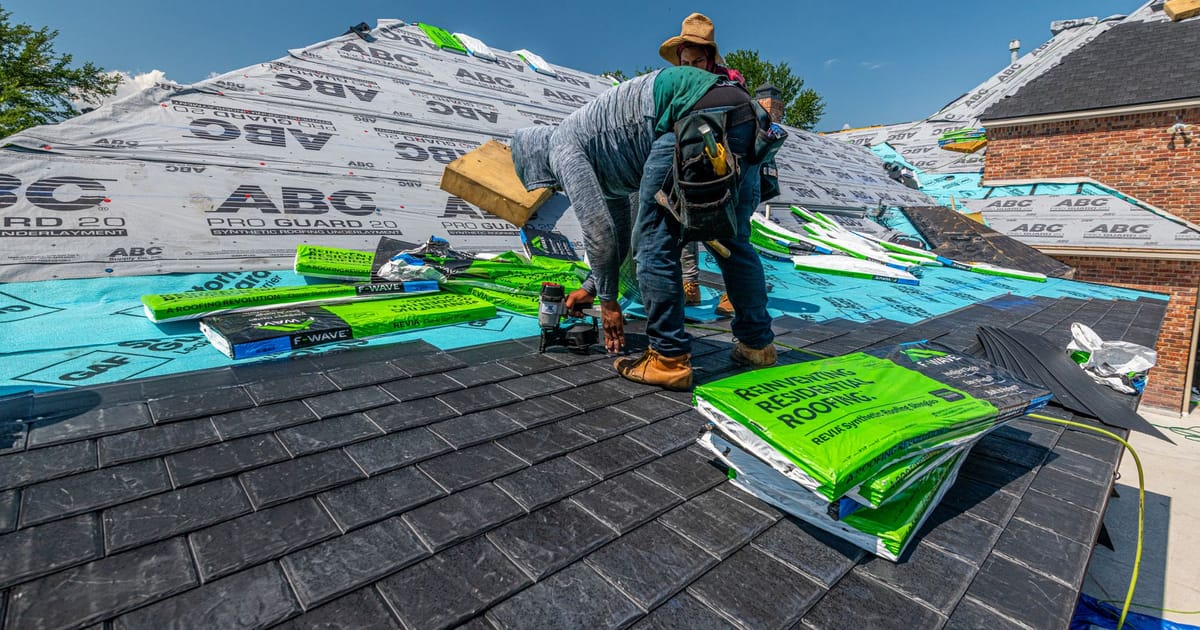
According to Angi cost data, homeowners in the US typically pay between $8,000 and $25,000 for a full roof replacement, with most projects landing in the $11,000 to $18,000 range. On a per-square-foot basis, installed costs run roughly $4 to $12 depending on material, roof complexity, and regional labor rates. The sections below break down every cost driver so you can evaluate quotes with confidence.
Regional Variation Disclaimer
All cost ranges in this guide reflect national averages and typical US market data from named sources. Your actual quote will vary based on your region, local labor market, material availability, roof complexity, and current material prices. Use these figures as a baseline for evaluating bids, not as a guaranteed price.
What Is a Roofing Square -- and Why Contractors Price in Squares
Before reviewing any estimate, you need to understand how roofing is measured. Contractors quote materials and labor in roofing squares, not square feet. One roofing square equals 100 square feet of roof surface area.
Your roof surface is not the same as your home's footprint. A moderately pitched roof on a 2,000 square foot single-story home typically has 2,200 to 2,500 square feet of actual roof surface -- roughly 22 to 25 squares -- because the slope adds surface area beyond the floor plan. Steeper roofs add more. A quote priced at "$450 per square" on a 24-square roof equals $10,800 in materials and labor before any extras.
When comparing quotes, ask each contractor how many squares they measured and how they calculated it. Bids based on different square counts -- even for the same roof -- will look misleading until you align on the measurement.
Roof Replacement Cost by Material
Material is the single largest lever on your total price. The table below summarizes typical installed cost ranges and expected lifespans. Ranges reflect HomeAdvisor and Angi cost data and are national averages; your region and roof complexity will move the actual figure.
| Roofing Material | Typical Installed Cost (per sq ft) | Typical Lifespan |
|---|---|---|
| 3-tab asphalt shingles | $3.50 -- $5.50 | 15 -- 25 years |
| Architectural / dimensional asphalt | $4.50 -- $7.50 | 25 -- 30 years |
| Metal (standing seam or steel panels) | $8.00 -- $14.00 | 40 -- 70 years |
| Wood shake / shingles | $6.50 -- $11.00 | 20 -- 30 years |
| Concrete or clay tile | $9.00 -- $18.00 | 40 -- 50 years |
| Slate (natural) | $15.00 -- $30.00 | 75 -- 150 years |
Ranges are representative of US market conditions per Angi cost data. Actual prices vary by region, supplier, and current material costs. Lifespan figures reflect manufacturer ratings under normal maintenance conditions per the National Roofing Contractors Association (NRCA).
Asphalt Shingles
Asphalt is the most common roofing material in the US, and for good reason: it is widely available, relatively affordable, and most roofing contractors can install it competently. The two main types differ more than their names suggest. Three-tab shingles are flat and uniform -- the entry-level option with a shorter lifespan. Architectural (also called dimensional or laminate) shingles are layered for a textured look and carry a longer manufacturer warranty. For most homeowners replacing a standard residential roof, architectural asphalt represents a practical middle ground on price and longevity.
Metal Roofing
Metal roofing has grown in popularity as long-term value calculations have improved. Standing seam steel or aluminum panels cost significantly more installed than asphalt but can outlast two or three asphalt replacements. Metal reflects heat well in warm climates and sheds snow effectively in northern ones. The trade-off is higher upfront cost, limited contractor availability in some markets, and -- on some profiles -- noise during heavy rain without adequate insulation.
Wood Shake
Wood shake and shingles provide a natural aesthetic common in certain architectural styles and regions. They carry fire-resistance concerns in dry climates; several states and municipalities restrict or ban wood shake in high-fire-risk zones. Verify local code before including it in your planning.
Tile and Slate
Concrete and clay tile are common in the Southwest and Mediterranean-style homes. They are heavy -- a tile roof can weigh three to four times what asphalt weighs per square -- and older homes may require structural reinforcement before installation. Slate is the premium end of the spectrum: exceptional lifespan, high material cost, heavy weight, and a need for specialists who work with it regularly. Both tile and slate carry high labor costs because installation is slower and requires skilled crews.
The right material is the one that fits your budget, your roof's structural capacity, your climate, and how long you plan to own the home -- not whichever one a contractor pushes first.
Get Lifespan-Adjusted Quotes
When comparing materials, ask each contractor for a per-year cost calculation: divide the installed price by the rated lifespan. A $20,000 metal roof lasting 50 years costs $400 per year. A $10,000 architectural asphalt roof lasting 25 years costs the same. That math changes when you factor in that you may not own the home for 50 years -- but it removes the sticker-shock distortion.
What Drives the Final Price Beyond Material
Roof Size and Pitch
The larger the roof, the higher the total cost -- straightforward. Pitch (steepness) is less obvious but equally important. Contractors measure pitch as the number of inches a roof rises for every 12 inches of horizontal run. A 4/12 pitch is considered low to moderate and is easy for crews to work on. A 12/12 pitch is steep -- workers need safety harnesses, move more slowly, and charge accordingly. According to the NRCA, steep roofs (above 7/12) typically add 20% to 40% to the base labor cost.
Tear-Off and Disposal
Almost every full replacement includes tearing off the existing roofing material. Tear-off typically costs $1,000 to $2,500 for a standard residential roof, according to Angi, depending on the number of existing layers and material type. If you have two existing layers of shingles, tear-off takes longer and generates more debris, both of which increase the cost. Most local building codes limit a roof to two total shingle layers; if yours already has two, a layover is not a legal option -- full tear-off is required.
Decking Inspection and Repair
Under the shingles is the roof deck, typically plywood or oriented strand board (OSB). Roofers can only fully inspect the deck after tear-off. Soft spots, rot, or water-damaged sections must be replaced before new shingles go down. Decking repair typically runs $70 to $100 per sheet of plywood, per HomeAdvisor cost data. Budget a contingency of 5% to 10% of the total estimate for deck repairs that reveal themselves mid-project -- they are common, especially on older roofs.
Number of Penetrations and Complexity
Every chimney, skylight, vent pipe, dormer, or valley adds time and material. Flashing -- the metal strips that seal roof penetrations and transitions -- must be replaced or carefully reinstalled during a reroof. Roofs with multiple dormers, complex angles, or several penetrations cost more to replace than simple gable roofs of the same square footage.
Regional Labor Rates
Labor accounts for roughly 40% to 60% of a roofing project's total cost, according to the National Roofing Contractors Association. Labor rates vary significantly by region. A roof replacement in rural Tennessee will cost less than the same job in suburban Boston or San Francisco -- often by 30% to 50%. When benchmarking quotes, compare against regional cost data, not national averages.
Permits and Warranties: What You Need Before and After
Permits
Most US municipalities require a building permit for a full roof replacement. The permit process typically involves a fee ($100 to $500 depending on locality), a pre-installation inspection, and a final inspection after completion. Your roofing contractor should obtain the permit before work begins -- if they suggest skipping it to cut costs, treat that as a warning sign. See Licensed vs Unlicensed Contractor: The Real Risks for what that shortcut can cost you.
Work done without required permits can block a home sale, void homeowner's insurance claims related to the roof, and create a legal obligation to tear out and redo unpermitted work at your expense.
Manufacturer Warranties vs. Workmanship Warranties
A new roof comes with two types of warranty coverage, and they are not the same thing.
The manufacturer's material warranty covers defects in the shingles or panels themselves. Standard asphalt shingle warranties range from 25 years to lifetime (prorated), per manufacturer marketing. Read the fine print: most prorated warranties pay diminishing amounts over time and require professional installation by an approved contractor.
The workmanship warranty covers the installation -- the contractor's labor. This is often one to ten years and varies widely by contractor. A five-year workmanship warranty from a reputable local company is often worth more than a ten-year warranty from a company that may not be operating in five years.
Ask every contractor for both warranty documents in writing before signing.
Ask for the Manufacturer's Warranty Registration Process
Many manufacturer warranties require the contractor to register the installation within a specified window after completion. Ask upfront whether the contractor will handle registration and provide you written confirmation. Skipping registration can void coverage before you need to use it.
Signs That Point to Full Replacement Over Repair
Not every roof problem requires a full replacement. If damage is isolated to a small section -- a few shingles blown off in a storm, a flashing failure at one vent -- repair is usually the rational choice. Refer to Roof Repair vs Replacement: How to Decide for a detailed framework.
Replacement becomes the more defensible answer when you see:
- Widespread granule loss. If your gutters are filling with dark granules (the sand-like coating on asphalt shingles), the shingles are past their useful life across the whole surface, not just one area.
- Curling or cupping at scale. Shingles that curl upward at the edges or cup in the center have lost their protective shape. Isolated curling can be repaired; curling across multiple roof sections signals systemic aging.
- Daylight in the attic. Light visible through the roof deck means the shingles and any underlayment have failed. That level of breach carries water damage risk and points to replacement.
- Multiple leaks in different locations. One leak is a repair. Three leaks in three sections means the roof is failing broadly.
- Age near or past rated lifespan. A 3-tab asphalt roof at 22 years has used most of its rated life. Repairing it postpones the replacement cost without extending the roof's overall usefulness.
- Sagging or visible structural deflection. Sagging roof sections indicate decking or structural rafter problems beneath the surface. This is not a cosmetic repair -- it requires professional structural assessment before reroofing.
How to Get an Honest Quote -- and Spot a Dishonest One
Get at least three written, itemized quotes. This is not optional for a project in the $10,000 to $25,000 range. One quote gives you nothing to compare. Two quotes still leave you with no competitive baseline. Three or more give you a realistic range and reveal outliers in both directions.
Each written quote should itemize: number of squares measured, material brand and product line, tear-off and disposal cost, estimated decking contingency, permit fees, warranty terms, and payment schedule. Any contractor who refuses to put this in writing before you sign is not a contractor you want on your roof.
Verify the contractor's license with your state roofing or general contracting licensing board before signing. Roofing is a licensed trade in most states. Also confirm they carry general liability and workers' compensation insurance -- ask for certificates directly, not just verbal confirmation. An injury on your roof without workers' comp coverage can expose you to a lawsuit. How to Hire a General Contractor: A Step-by-Step Guide covers the verification process in detail.
Do not pay more than 10% to 15% upfront as a deposit. A large upfront cash demand -- especially for the full project cost -- is one of the most consistent warning signs of contractor fraud.
Post-Storm "Storm Chaser" Scams
After major hail or wind events, unlicensed contractors and traveling crews descend on affected neighborhoods door-to-door, offering free inspections and quick insurance claim filing. The Federal Trade Commission and state attorney general offices consistently document these operations as among the most common home-improvement fraud patterns. Storm chasers often collect large deposits, do poor work or none, and leave the area before you discover a problem. If someone knocks on your door after a storm, do not sign anything on the spot. Get the company name, look them up with your state licensing board, and get independent quotes from contractors with a local, verifiable business address. For a full scam-avoidance checklist, see How to Avoid Home Improvement Scams.
Summary: What Moves Your Roof Replacement Cost
Material choice is the largest lever -- asphalt at $4 to $7.50 per sq ft installed vs. slate at $15 to $30. Roof size (measured in squares), pitch, tear-off, and decking condition add layers of cost that are visible only after the old surface comes off. Get three written, itemized quotes, verify license and insurance, and budget a 5% to 10% contingency for deck repairs. Pull the permit before work starts.
Frequently asked questions
How much does it cost to replace a 1,500 square foot roof?
A 1,500 square foot home typically has a roof deck of 1,650 to 1,800 square feet once slope is factored in. At $4 to $12 per installed square foot for asphalt shingles, expect to pay roughly $6,600 to $21,600 depending on material choice, pitch, regional labor rates, and whether tear-off and decking repairs are needed.
What is a roofing square and how does it affect the quote?
A roofing square is 100 square feet of roof surface -- not floor space. Contractors price materials and labor in squares. A 2,000 square foot home with a moderately pitched roof has roughly 22 to 25 squares of actual roof surface. Quotes priced per square let you compare bids on equal footing; divide any per-square-foot price by 100 to convert.
Is it cheaper to reroof over the existing shingles?
Installing new shingles over an existing layer (called a layover or recover) costs less upfront -- skipping tear-off typically saves $1,000 to $2,000 -- but most building codes allow only two total layers, and the added weight can stress decking. Inspectors and buyers often flag layovers, and any deck rot underneath stays hidden until it worsens.
What signs mean I need a full replacement rather than a repair?
Key indicators include widespread granule loss in gutters, shingles curling or cupping across multiple roof sections, daylight visible through the attic, multiple active leaks, a roof older than its rated lifespan, and structural sagging. Isolated damage to a few shingles usually warrants repair; systemic failure across the roof surface points to replacement.
Do I need a permit to replace my roof?
Most US jurisdictions require a building permit for a full roof replacement, even when swapping like-for-like materials. Requirements vary by municipality. Your contractor should pull the permit before work starts and schedule any required inspections. Work done without required permits can complicate a home sale and may void related homeowner's insurance claims.